What to Pack and Seal Before a Bed Bug Treatment
Bed bug treatment works best when the room is ready before the visit begins. The goal is simple: keep bugs from moving into protected items, reduce clutter that slows access, and make it easier to follow any after-care directions. Packing and sealing do not replace a proper inspection or treatment, but they can prevent a small problem from spreading into drawers, luggage, and stored belongings.
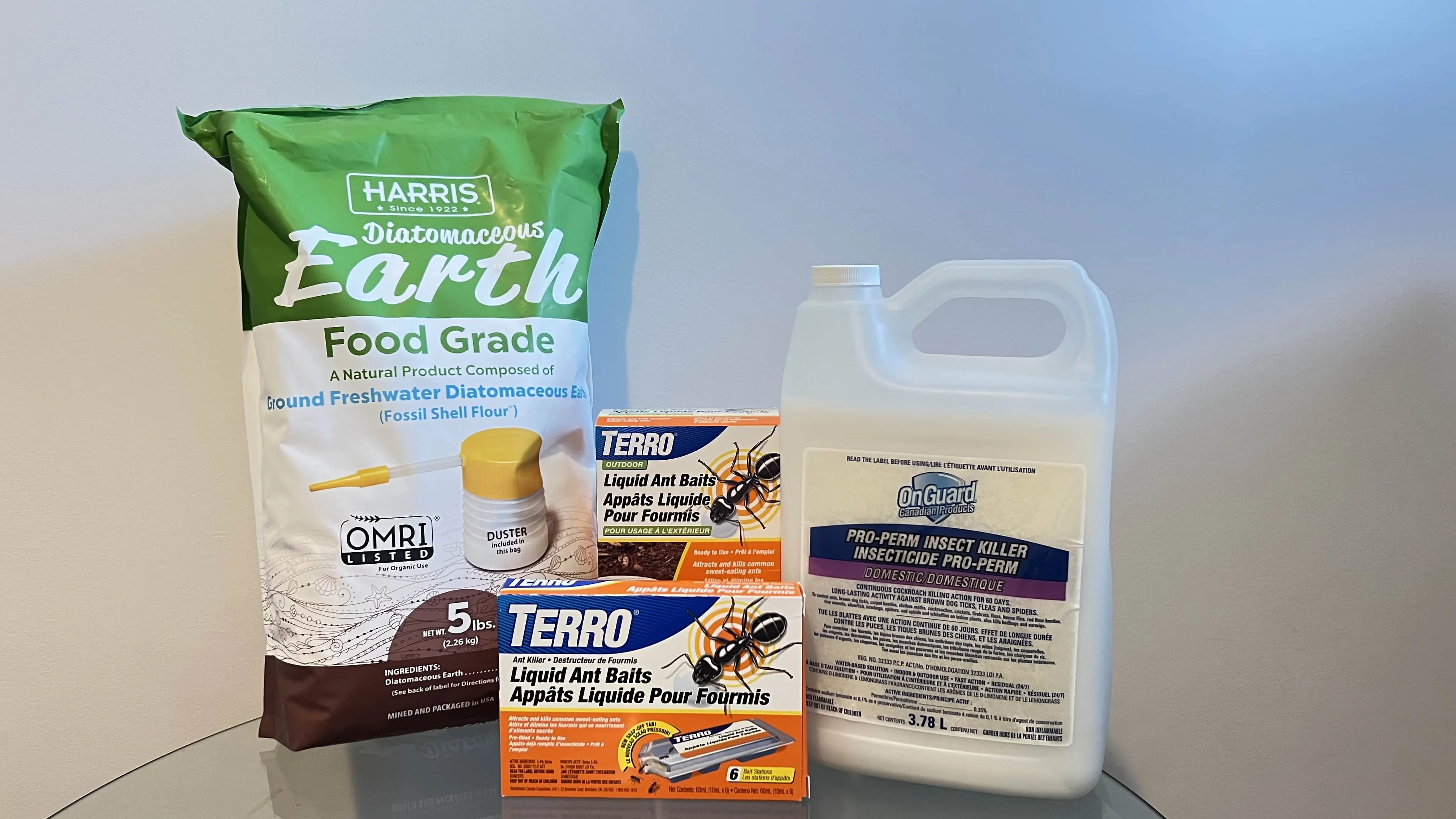
Before sorting anything, find out what the treatment plan covers. Some products target adult bugs and nymphs on surfaces, while others focus on hiding places such as mattress seams, bed frames, baseboards, and furniture joints. Heat, steam, and residual products each have different preparation needs. If the plan includes bed bug products used by a professional, ask which items should be removed from the room and which can stay sealed until treatment is complete.
Items to pack first
Start with things that are small, soft, and easy to carry out of the room. These are the items most likely to be missed during a quick tidy, and they can also be the easiest to move safely.
- Bedding and pillowcases: Strip the bed and place sheets, pillowcases, blankets, and duvet covers directly into washable bags. Do not shake them out, since that can dislodge bugs or eggs into the room.
- Clothing in open areas: Clothes on chairs, floors, hooks, and open shelves should be bagged. Washable items can go into the laundry. Dry cleaning or items that cannot be washed still need containment before they are moved.
- Soft toys and fabrics: Stuffed toys, fabric baskets, pet beds, curtains that touch the floor, and spare cushions need attention. Soft items offer plenty of folds and seams where bugs can hide.
- Personal items: Hairbrushes, makeup bags, unpacked luggage, and papers stacked near the bed can be placed in sealed bags or clear bins. Clear containers make it easier to see what has been packed and whether a bag has split.
- Pet supplies: Pet bedding, leashes, and toys kept near sleeping areas should be removed or sealed. Animals should be kept out of the treatment area until the professional says it is suitable for them to return.
The Pest Agent bed bug inspection guide is a useful reference when deciding which rooms and hiding places need attention before belongings are moved. A bed bug issue is not always limited to the bed itself. Nearby furniture, wall gaps, and shared walls can matter, especially in multi-unit buildings. If belongings pass through a hallway or another room, keep them closed so they do not shed bugs along the way.
What to use for sealing
Containment is more useful than neat packing. Use sturdy plastic bags with tight closures, zippered mattress or pillow encasements, and lidded plastic bins. The point is to stop bugs from crawling in or out during the move from bedroom to laundry area or storage space.
Label bags by room and contents if several areas are being prepared at once. A marker on the outside of a bag is enough. It helps avoid opening finished bags later, which can undo the work. Items that are already infested should be kept separate from clean laundry, even inside the same room.
Avoid cardboard boxes for this job. Cardboard has joints, folds, and corners that can shelter bugs, and it is harder to wipe clean. If a box must be used for short transport, line it with a sealed plastic bag and discard the liner carefully afterward.
Laundry and heat handling
Washable fabrics are usually the straightforward group. Hot washing and thorough drying are commonly used for bedding and clothing, but the exact setting should suit the fabric and the care label. A dryer is often more reliable than a wash alone for insects hidden in seams. Delicates, wool, and items with trims may need a gentler approach, so follow the care label and avoid damaging fabric in the effort to treat it.
Once clean, place items in fresh bags or bins rather than back into the original laundry basket. If clean laundry is returned to a treated room too early, it can pick up bugs from surfaces that have not finished drying or settling. Keep sealed bags closed until the room is ready.
For items that cannot be washed, sealing may be the practical short-term answer. Some belongings can remain sealed for an extended period, though the length of time depends on the treatment approach and the advice given for the home. Do not assume that a single warm day, a freezer, or a closet will solve the problem. Bed bugs can survive in conditions that would kill many other household pests.

Furniture, mattresses, and room access
Packing is only part of preparation. Treatment needs access to the places where bugs rest during the day. Move nightstands away from the bed if that is safe and practical, and clear items from under the bed. Leave mattresses and bed frames in place unless instructed otherwise, since moving them through the home can spread bugs.
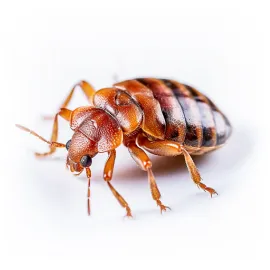
Check the mattress seams, box spring if present, headboard, bed frame joints, and the spaces where furniture meets the wall. Look for live bugs, shed skins, dark spotting, and tiny pale eggs. These signs help describe the problem when treatment choices are being discussed. If the signs are widespread, the Pest Agent bed bug inspection guide can help frame what areas should be examined before products are selected.
Do not pull apart electrical fittings, switch plates, or wall fixtures as part of preparation. Loose or damaged wiring should be left alone and handled by a qualified professional. The same applies to gas appliances or any fixed utility connection. Pest preparation should stay with visible household items and accessible gaps, not building systems.
What should stay out of the room
Too many loose objects make treatment slower and can absorb product where it is not wanted. Clear floor clutter, stacked magazines, shoes, shoestring bundles, and baskets of miscellaneous items. Keep food, dishes, and children's feeding items away from treatment areas. Pet food and water bowls should also be moved.
Medicines and important documents should not be left exposed. Seal them in a clean, dry container and keep them outside the work area. That protects them from dust, moisture, and unnecessary handling.
Small checks that save time
- Walk from the bed to the door and look for items that could fall, trip someone, or block access.
- Check bag closures before carrying anything through the home, especially bags filled with soft fabric.
- Keep clean and possibly infested laundry in separate loads and separate containers.
- Photograph labels or care instructions before bags are closed if an item needs special handling.
- Ask about re-entry and laundry timing before treating sealed items as finished.
Good preparation is not about making the home look spotless. It is about controlling movement. Bag first, seal firmly, wash what can be washed, and keep suspect items away from clean ones. Pest Agent provides pest advice, ranked local exterminator comparisons, and recommended products for handling household pest problems, so it can help put preparation and product choices in the same context. When in doubt about a valuable item, a delicate fabric, or a hidden infestation, pause and get advice before moving it through the home or applying bed bug products on your own.
 Facebook
 Instagram
 YouTube